The Internet of Things (IoT): How Everyday Devices Are Becoming Connected
How sensors, embedded computers, networks, and cloud services connect physical objects to digital applications.
Explore the technologies, uses, security requirements, and future of connected devices. This guide follows the development of the technology, explains the ideas behind it, and considers the practical choices that shape how it is used today.
What Is the Internet of Things?
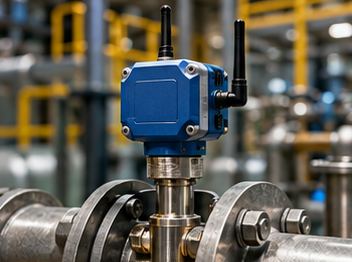
The Internet of Things describes physical objects equipped with sensors, software, processing capability, or network connections that allow them to collect and exchange data. These objects range from household thermostats and wearable devices to industrial pumps, shipping containers, vehicles, and utility meters.
An IoT device does not need a screen or a complex user interface. It may simply measure temperature, detect movement, report its location, or control a relay. The value comes from turning a physical condition into information that can be monitored, analyzed, or used to trigger an action.
When evaluating this area, it helps to separate the underlying technology from the way a particular product implements it. Specifications, operating conditions, support policies, and the quality of the surrounding system all influence the result. A sound design starts with the actual requirement, then selects an approach that can be maintained and measured over time.
A Short History of Connected Devices
Network-connected equipment existed long before the phrase Internet of Things became popular. Industrial control systems, telemetry, remote monitoring, and early networked appliances demonstrated the value of collecting information from distant equipment. RFID systems also helped identify and track physical objects.
The spread of inexpensive microcontrollers, sensors, wireless networks, and cloud computing made connected products more practical. Devices could communicate over Wi-Fi, cellular, Bluetooth, or low-power networks, while cloud platforms could store and analyze readings from large fleets. The modern IoT combines several older ideas at much greater scale.
When evaluating this area, it helps to separate the underlying technology from the way a particular product implements it. Specifications, operating conditions, support policies, and the quality of the surrounding system all influence the result. A sound design starts with the actual requirement, then selects an approach that can be maintained and measured over time.
The Building Blocks: Sensors, Processors, and Firmware
Sensors measure conditions such as temperature, pressure, humidity, light, motion, vibration, or electrical current. A microcontroller reads those measurements and runs firmware that decides what to report or how to respond. Some devices also include actuators that switch equipment, open valves, or adjust motors.
Firmware is the software embedded in a device. It handles startup, sensor readings, communication, configuration, and updates. Because many IoT devices have limited memory and processing power, their software must be efficient. A small device can still be safety-critical or security-sensitive, so simplicity does not remove the need for careful engineering.
When evaluating this area, it helps to separate the underlying technology from the way a particular product implements it. Specifications, operating conditions, support policies, and the quality of the surrounding system all influence the result. A sound design starts with the actual requirement, then selects an approach that can be maintained and measured over time.
How IoT Devices Communicate
IoT devices use different communication methods depending on range, power, bandwidth, cost, and environment. Wi-Fi is common where local network coverage and power are available. Bluetooth Low Energy supports nearby devices with low power consumption. Zigbee and Thread are used in some mesh-networked home and building systems.
Cellular technologies can connect devices over wide areas, while LoRaWAN supports long-range, low-data-rate communication for certain sensor deployments. NFC is useful for very short-range interactions such as setup, pairing, or identification. No single protocol fits every device; the choice should follow the actual operating requirements.
When evaluating this area, it helps to separate the underlying technology from the way a particular product implements it. Specifications, operating conditions, support policies, and the quality of the surrounding system all influence the result. A sound design starts with the actual requirement, then selects an approach that can be maintained and measured over time.
Gateways, Cloud Platforms, and Edge Computing
Some devices connect directly to the internet, while others communicate with a local gateway. A gateway can translate protocols, aggregate readings, buffer data, and provide a controlled connection to remote services. This is useful when sensors use specialized local networks or when internet access is intermittent.
Cloud platforms can register devices, receive telemetry, store historical data, create dashboards, and send commands. Edge computing moves selected processing closer to the device, reducing latency and network usage. For example, a machine may detect an abnormal vibration locally and send an alert rather than continuously transmitting every raw measurement.
When evaluating this area, it helps to separate the underlying technology from the way a particular product implements it. Specifications, operating conditions, support policies, and the quality of the surrounding system all influence the result. A sound design starts with the actual requirement, then selects an approach that can be maintained and measured over time.
Where IoT Is Used
In homes, connected thermostats, lighting, locks, cameras, leak detectors, and appliances can automate routines or provide remote visibility. In agriculture, sensors can monitor soil moisture and environmental conditions. In logistics, connected trackers can report location and temperature during transport.
Industrial IoT can monitor motors, pumps, production lines, and energy systems. Data may help identify equipment deterioration before a failure occurs, a practice often called predictive maintenance. These deployments must account for safety, uptime, harsh environments, and integration with existing operational technology.
When evaluating this area, it helps to separate the underlying technology from the way a particular product implements it. Specifications, operating conditions, support policies, and the quality of the surrounding system all influence the result. A sound design starts with the actual requirement, then selects an approach that can be maintained and measured over time.
Device Identity and IoT Security
A connected device needs a trustworthy identity so services can distinguish it from other devices. Systems may use unique credentials, certificates, cryptographic keys, secure provisioning, or hardware-backed identity. Shared default passwords and hard-coded secrets create serious risks, especially when thousands of devices are deployed.
Secure IoT design includes encrypted communication, authenticated commands, least-privilege access, signed firmware updates, secure boot where supported, and a plan for vulnerability handling. Devices need a lifecycle: enrollment, configuration, monitoring, rotation of credentials, software updates, decommissioning, and revocation when compromised or retired.
When evaluating this area, it helps to separate the underlying technology from the way a particular product implements it. Specifications, operating conditions, support policies, and the quality of the surrounding system all influence the result. A sound design starts with the actual requirement, then selects an approach that can be maintained and measured over time.
The Future: Smarter, More Useful Connected Environments
IoT is moving toward systems that combine sensors, edge computing, AI, and cloud services. A building may optimize energy use based on occupancy and weather; a factory may coordinate machines using real-time data; and a fleet may adjust maintenance schedules based on actual operating conditions.
The biggest challenge is not connecting everything. It is making connections reliable, secure, interoperable, and worthwhile. Organizations should collect only the data they need, explain how it is used, plan for device replacement, and avoid depending on a cloud service that may disappear. Well-designed IoT turns useful physical information into decisions without creating unnecessary complexity.
When evaluating this area, it helps to separate the underlying technology from the way a particular product implements it. Specifications, operating conditions, support policies, and the quality of the surrounding system all influence the result. A sound design starts with the actual requirement, then selects an approach that can be maintained and measured over time.
What to Remember
The history of the internet of things (iot): how everyday devices are becoming connected shows that technology advances through a combination of engineering, standards, practical needs, and changes in cost. New capabilities rarely replace everything that came before. Older approaches often remain useful where they fit the workload, while newer ones create additional choices.
For businesses and technology users, the important questions are how a solution performs in its intended environment, how it is secured, how it can recover from failure, and whether it can evolve as requirements change. Understanding the fundamentals makes it easier to evaluate products and avoid decisions based only on marketing claims.